
EdTech
How to Empower K-12 Learners through Intelligent Adaptive Systems?
Democratizing AI through intelligent automation and personalized learning
Scroll to exploreDemocratizing AI through intelligent automation and personalized learning
Scroll to exploreIn modern elementary education, educators face acute cognitive overload attempting to diagnose and cater to 30+ unique student learning paces simultaneously. Rigid synchronous curricula force struggling learners into compounding deficits while leaving advanced students uninspired. To dismantle this systemic one-size-fits-all model, I led the UX architecture of an intelligent Adaptive Learning Ecosystem that democratizes AI automation for K-12 classrooms.
By combining non-judgmental gamified student quest loops with an actionable Educator Diagnostic Co-Pilot, the system detects micro-comprehension hurdles in real time, automatically recommending tailored small-group interventions and elevating student confidence.

Defining the problem space and opportunity for innovation
In an increasingly AI-driven world, educational institutions and young learners struggle to reconcile standardized district milestones with individual cognitive absorption rates.
Opaque grading rubrics, punitive error feedback, and fragmented software tools leave educators overwhelmed with administrative toil and students anxious about failing.
Architect a dual-experience adaptive ecosystem: a joyful, low-anxiety quest interface for children and a high-fidelity diagnostic command center for teachers.
Democratize intelligent pedagogical automation so every child receives tailored scaffolding, closing foundational literacy gaps before they become compounding deficits.
A human-centered adaptive learning platform designed to decouple educational outcomes from rigid, lockstep instruction. By analyzing student interaction latencies and hint queries, the system continuously adjusts cognitive difficulty while giving educators real-time diagnostic visibility.

Designing for early learners requires stripping away institutional interface complexity in favor of intuitive physical metaphors. I approached the challenge through first-principles cognitive ergonomics: eliminating high-friction menus, turning formative assessments into joyful mini-quests, and translating raw telemetry into actionable teacher guidance.
Classrooms are chaotic socio-technical environments characterized by severe time scarcity, diverse student attention spans, hardware disparities across public schools, and intense educator fatigue with complex edtech tools that promise innovation but deliver administrative overhead.


I engineered a dynamic dual-experience model. For students, questions adapt in real time—if friction is sensed, visual scaffolding and gentle hints deploy seamlessly. For teachers, the platform operates as an ambient co-pilot, automatically clustering students with shared micro-gaps and generating ready-to-run 5-minute breakout plans.
We implemented a user-centered double-diamond process: over 120 hours of ethnographic classroom immersion, contextual teacher diary studies, 4 rounds of iterative low-to-high fidelity prototyping, and continuous validation with 42 educators across 5 school districts.

A structured, iterative approach to solving complex EdTech challenges
Deep insights gathered through multiple research methods including ethnographic observations and teacher diary studies.
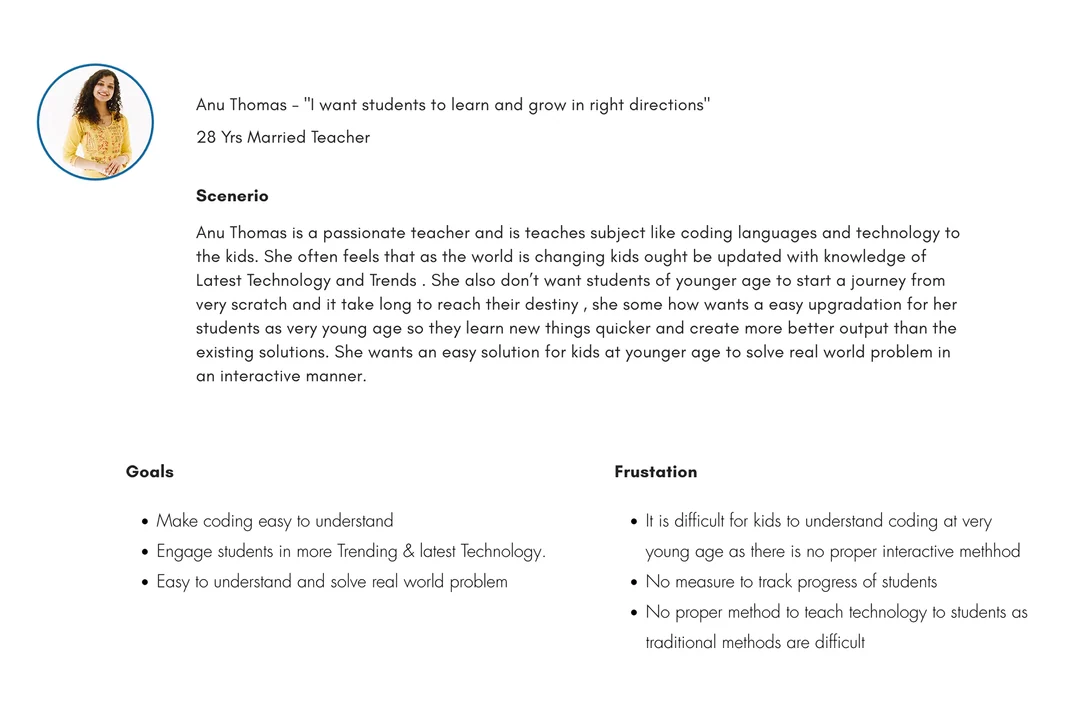
74% of struggling elementary students disengaged immediately when confronted with harsh red failure indicators, creating a spiral of low self-efficacy.
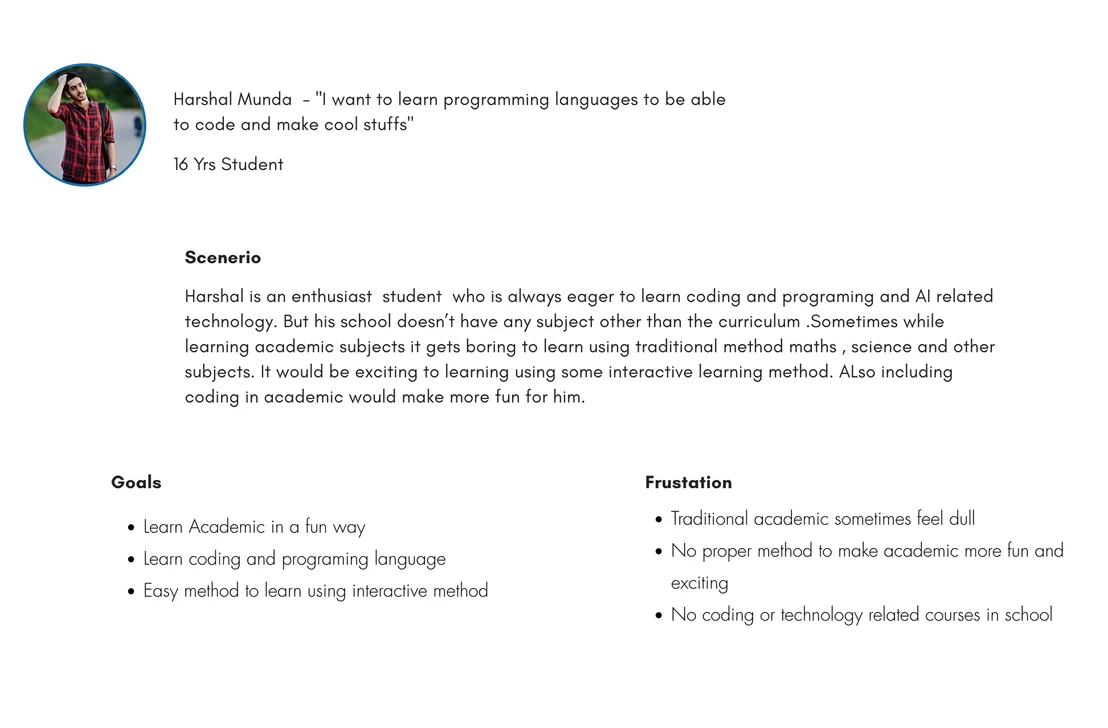
Educators spent 3.8+ hours nightly on manual grading, resulting in an average 14-day delay between student misconception and targeted lesson intervention.
Synthesizing qualitative field frictions into prioritized architectural requirements.
Rigid synchronous pacing forces all children to move at identical speeds. When difficulty spikes without scaffolding, struggling students suffer cognitive shutdown and disengagement.
Educators are buried under disconnected gradebooks and lack real-time visibility into student struggles before summative exams, leaving remedial support too little, too late.
Bloated interfaces and high bandwidth demands exclude lower-tier school hardware and neurodivergent learners who require clear cognitive signposts and joyful micro-affirmations.
Designing systemic flows and mental models to harmonize student quest loops with educator intervention triggers.
Multi-role adaptive progression from student quest initiation through real-time teacher small-group clustering.
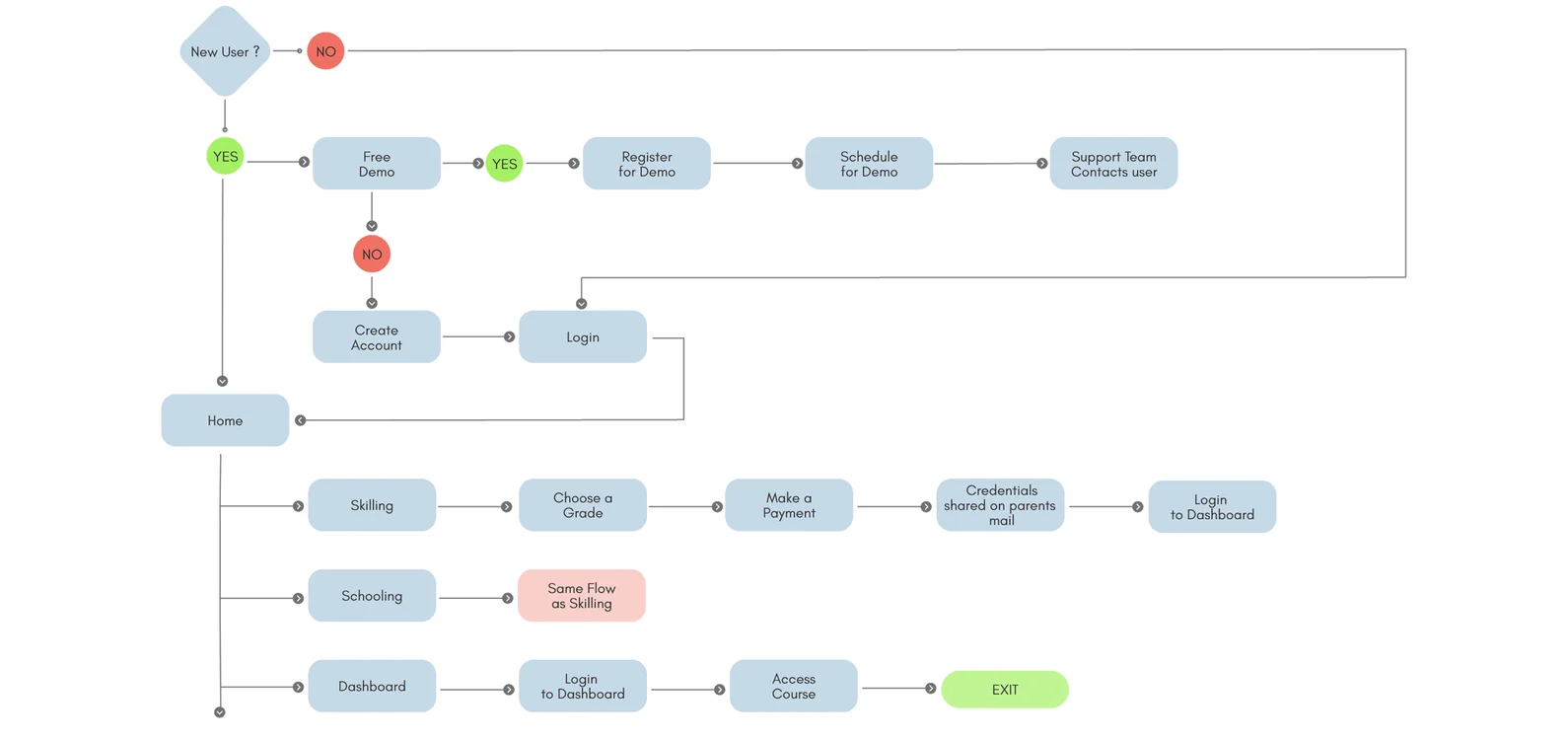
Collaborative open and closed card sorting with 42 educators to cluster curriculum modules by cognitive load.
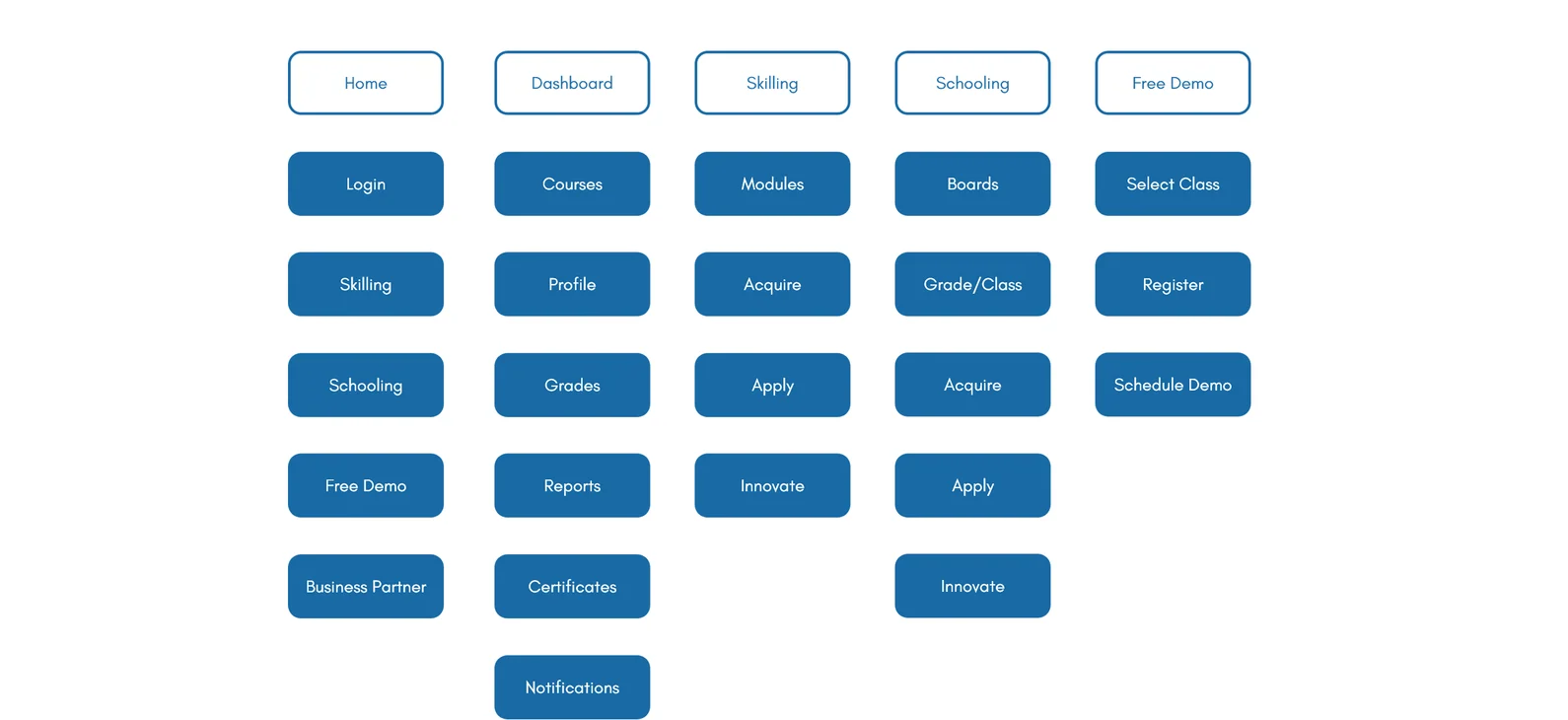
Ecosystem topology decoupling high-engagement student gamified quests from diagnostic educator command tools.
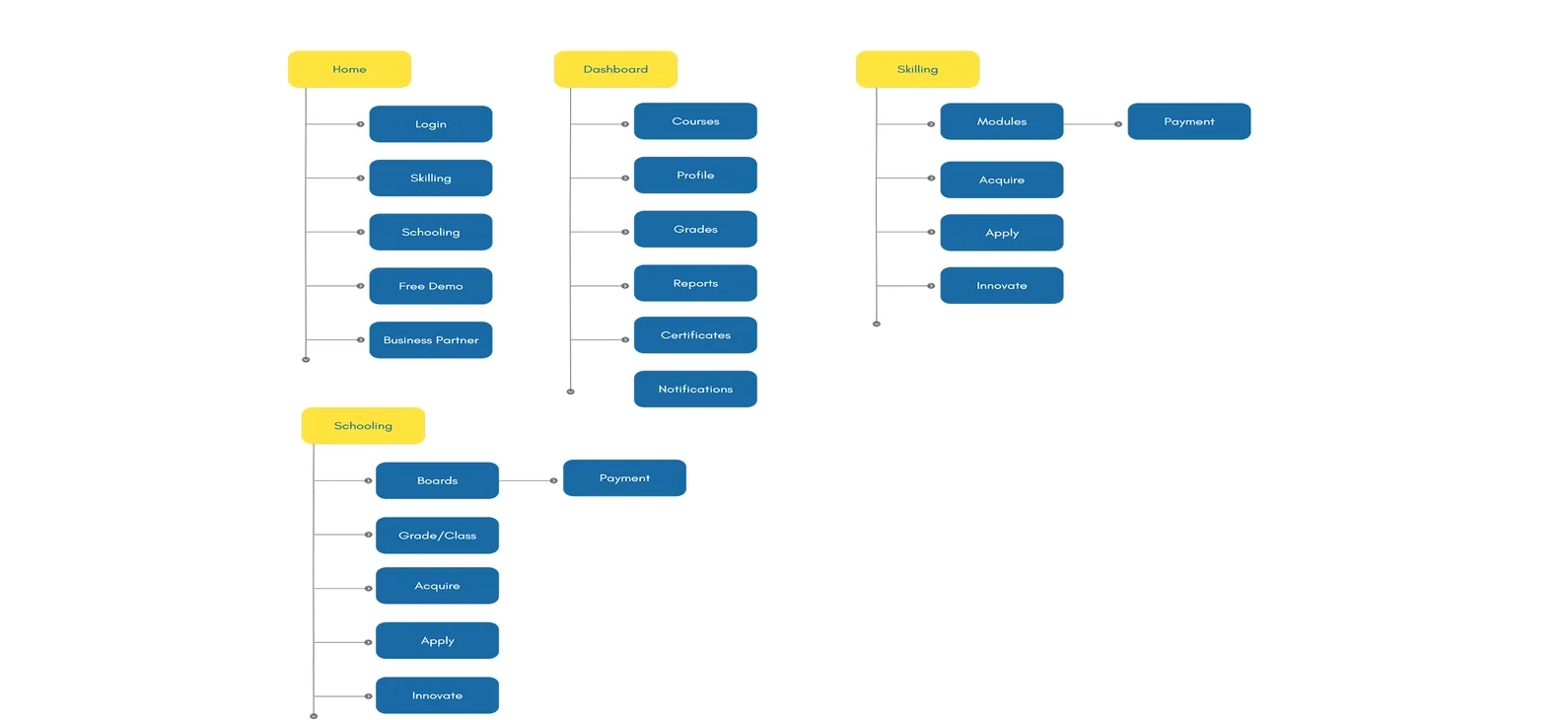
Progressive wireframing and high-fidelity design system execution tested across 13 pilot elementary schools.
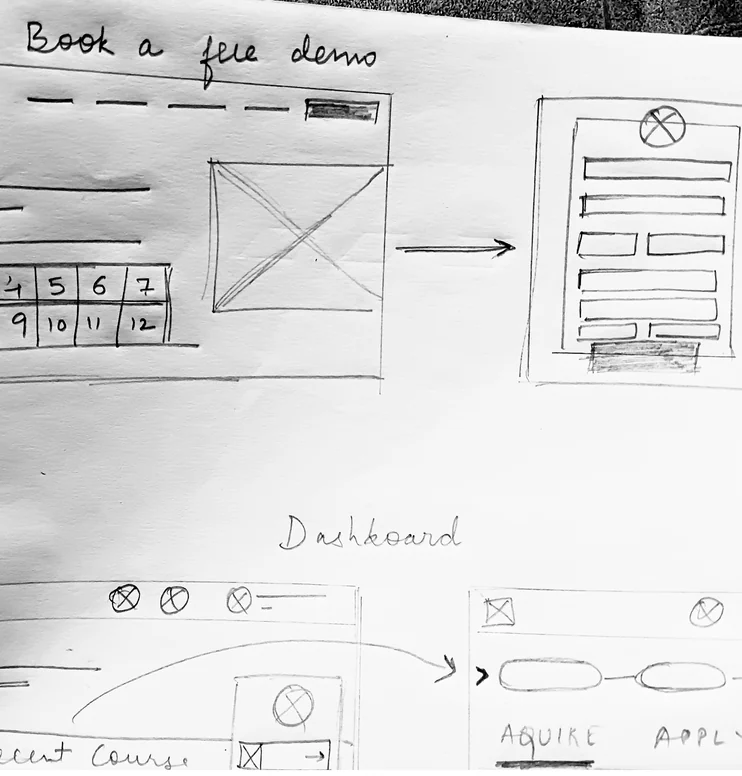
Rapid structural explorations testing ergonomics, glanceable feedback, and intuitive student task navigation.
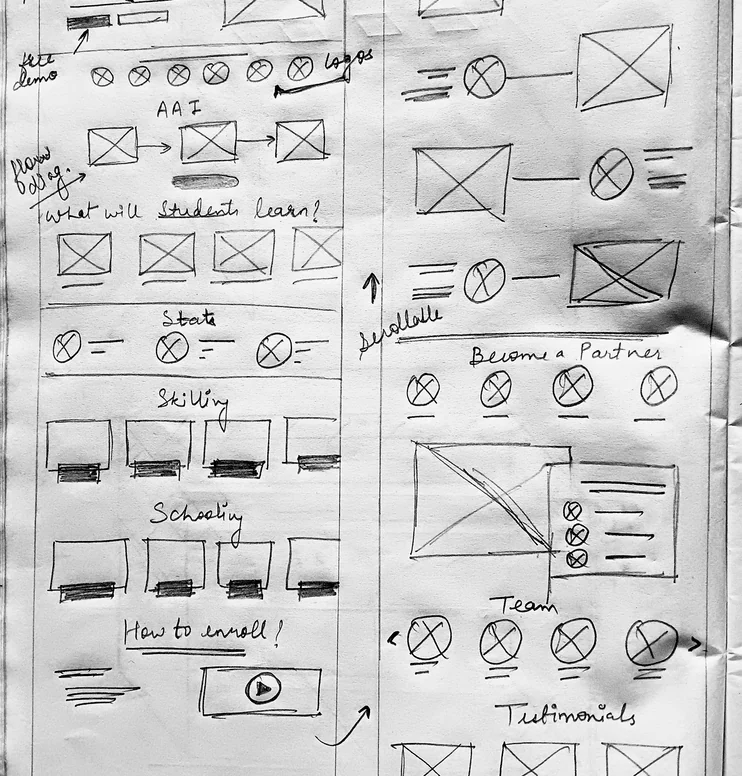
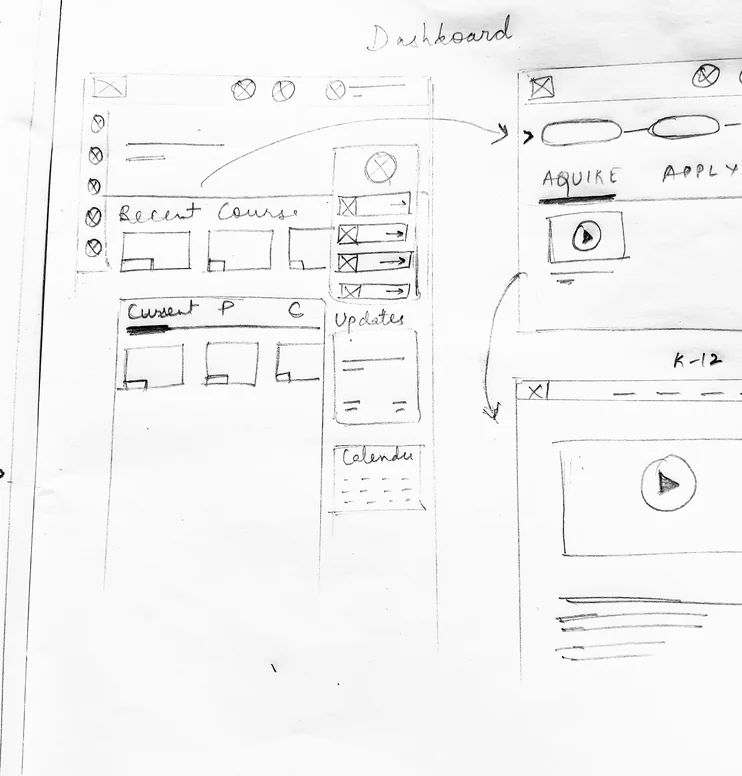
Final production UI tokens: dark mode contrast calibration, non-punitive green growth cues, and real-time teacher diagnostic feeds.
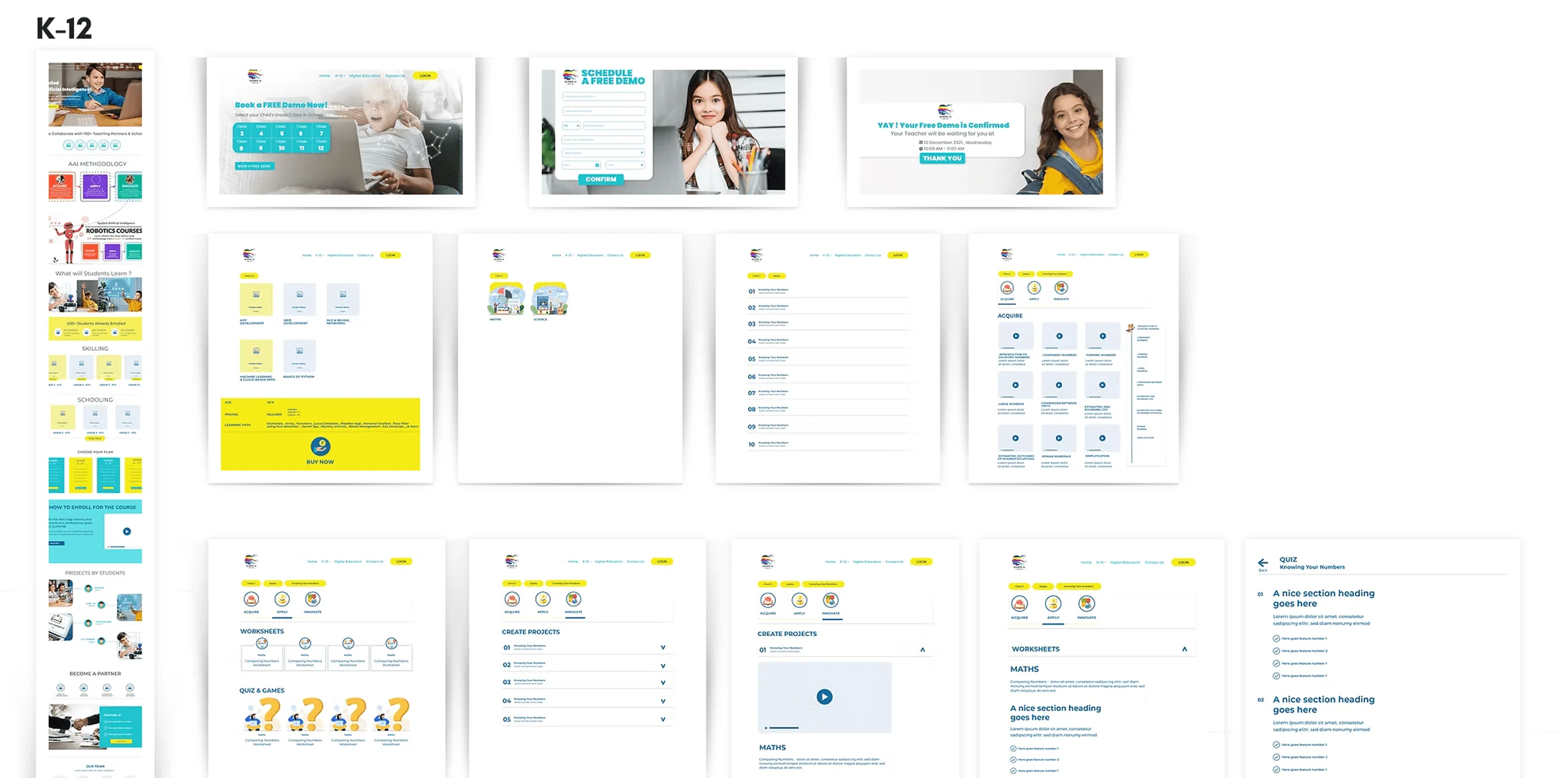
Personalized milestone pathways dynamically introduce visual scaffolds when latency spikes, maintaining flow state and confidence.
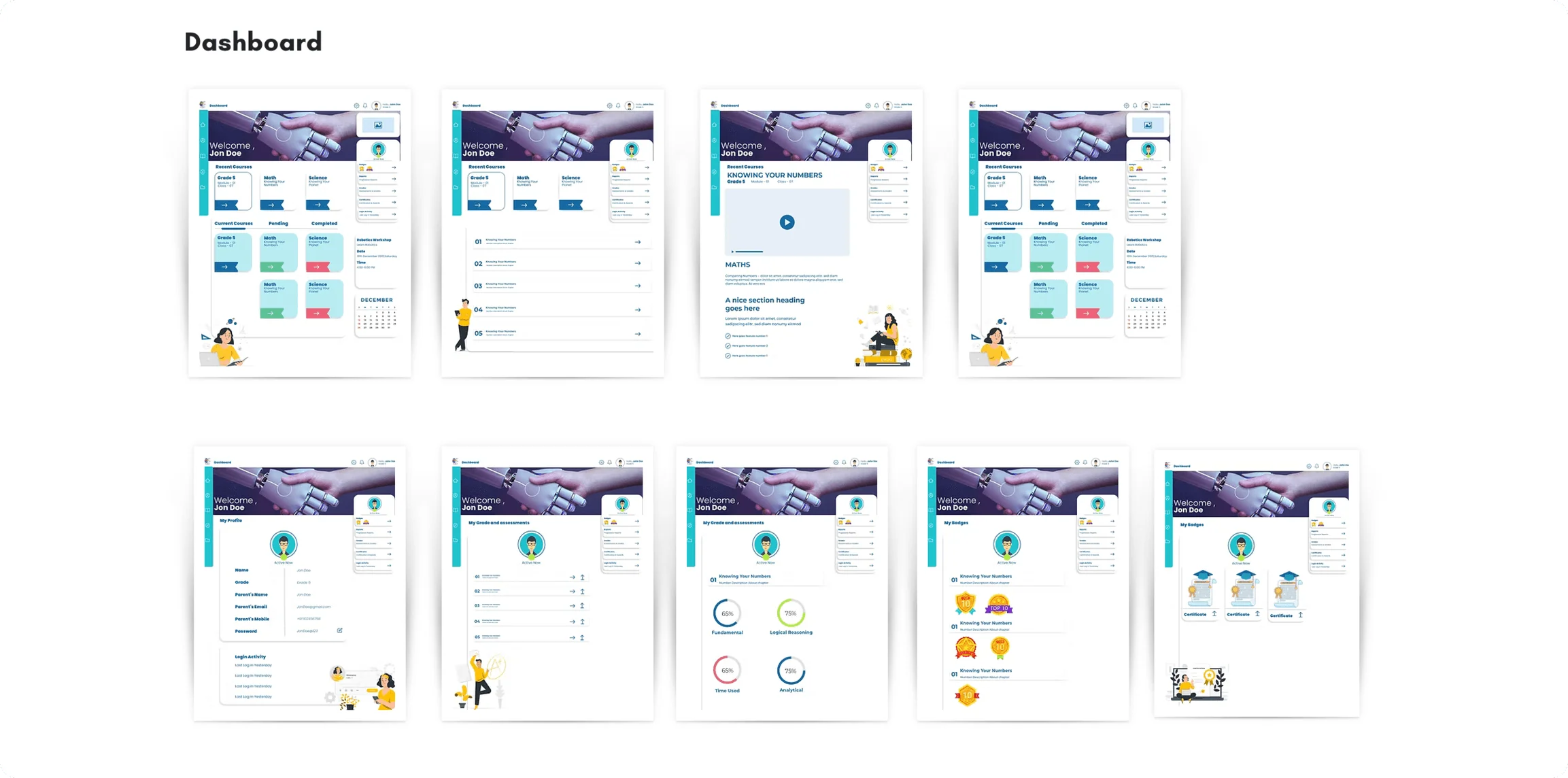
Live comprehension matrices and 1-click small-group breakout lessons eliminate hours of manual grading while bridging learning deficits instantly.
Insights and takeaways from the design process
Running 4 testing rounds with progressively higher fidelity prototypes allowed us to identify major architecture flaws early, saving significant development rework.
Users consistently chose the simpler path, even when offered advanced automation features. Designing for progressive disclosure proved critical to adoption.
Moving from menu-driven to conversational interfaces reduced time-to-first-workflow by 65%, validating our core hypothesis around cognitive load reduction.